


| Original Research | ||
Natl. J. Physiol. Pharm. Pharmacol. (2026), Vol. 16(1): 18-29 Original Research Comparative effectiveness of problem-based and self-directed learning in teaching osmolarity concepts among undergraduate medical studentsBhavithra Bharathi Sundararaj1* and Snekalatha Saravanakumar21Department of Physiology, KMMC Medical College & Hospital, Muttom, India 2Department of Physiology, ESIC Medical College & Hospital, Gulbarga, India *Corresponding Author: S. Bhavithra Bharathi. Department of Physiology, KMMC Medical College & Hospital, Muttom, India. Email: bhavimegan [at] gmail.com Submitted: 06/09/2025 Revised: 15/01/2026 Accepted: 01/02/2026 Published: 20/02/2026 © 2025 National Journal of Physiology, Pharmacy and Pharmacology
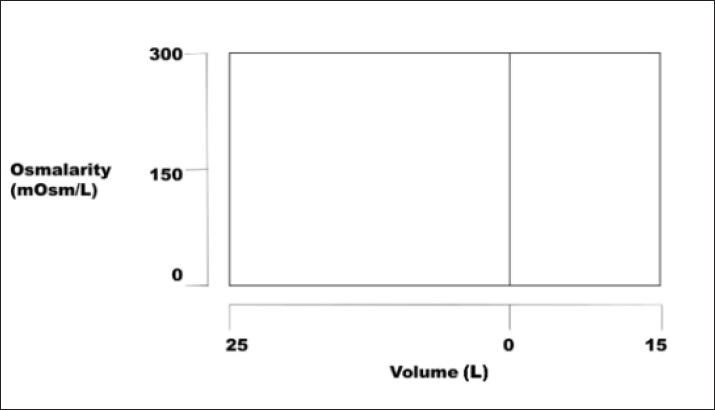
ABSTRACTBackground: The inception of competency-based curricula in the medical education system of India has paved the way for student-centric, interactive teaching-learning methodologies such as problem-based learning (PBL) and self-directed learning (SDL). Aim: Because knowledge on osmolarity and body fluid balance has wide clinical applications, this study was conducted to determine the effectiveness of PBL and SDL in understanding the concept of osmolarity with volume–osmolarity diagram among first-year undergraduate medical students. Method: A total of 101 first-year undergraduate students were enrolled with informed consent. After the pre-test and briefing on the volume–osmolarity diagram, the participants were divided into Group 1 (n=53) and Group 2 (n=48). Group 1, with 8 subgroups, was given case scenarios and asked to illustrate findings in a volume–osmolarity diagram. Group 2 was guided to explore the topic with the necessary study material, followed by a post-test and feedback. Results: The mean post-test score (62.47 ± 19.21) significantly improved compared with the pre-test score (43.94 ± 12, p=0.008). The mean pre-test scores between group 1 (44.54 ± 12.58) and group 2 (44.13 ± 13.33) was not statistically significant (p=0.94), indicating that the students’ understanding of the subject was similar at the outset. No statistically significant differences (p=0.66) were observed when post-test scores were compared between group 1 (60.57 ± 22) and group 2 (64.58 ± 18.69). The analysis of subjective feedback responses showed that the PBL group had more favorable outcomes for all items in the feedback questionnaire, some of which were statistically significant, when compared with the SDL group. Conclusion: The above-mentioned results show that PBL and SDL are equally effective in facilitating the learning of physiological concepts. However, its impact on medical education needs to be better studied and ascertained with a wider range of topics. Keywords: Problem-based learning, Self-directed learning, Volume–osmolarity diagram. IntroductionMedical education in India has undergone tremendous changes in recent years, with the latest being the introduction of a competency-based medical curriculum. Newer interactive teaching-learning methodologies have been developed to teach competencies covering cognitive, affective, and psychomotor domains (Verma et al., 2021). These teaching-learning methods are student-centric, which promotes the active participation of students and ensures the attainment of all the stated competencies by the medical graduates (Kundra et al., 2022). Such newer teaching-learning methodologies include problem-based learning (PBL) and self-directed learning (SDL). PBL is a form of active learning that utilizes problems or cases, enabling students to acquire problem-solving skills (Grabinger and Dunlap, 2002; Asad et al., 2015). PBL promotes active student involvement, increases attention, increases the development of communication skills, and is also found to stimulate the critical thinking ability of students, in comparison to traditional didactic lectures (Asad et al., 2015; Alaagib et al., 2019). SDL is another contemporary teaching-learning methodology that has been advocated for the efficient and effective training of medical students. Recent regulations put forth by the Indian National Medical Commission have allotted 30 hours of SDL sessions out of a total of 412 theory teaching hours in the first year of the MBBS curriculum (CBME guidelines, 2024). In SDL, medical students take the initiative to learn with or without the help of instructors, which enables them to acquire knowledge and evaluate learning outcomes (Premkumar et al., 2018). Thus, SDL enables medical professionals to develop independent learning skills, increased responsibility and accountability, and facilitates continuous learning and updating knowledge during their careers (Pai et al., 2014; Premkumar et al., 2018). Few studies have compared the effectiveness of PBL with SDL. One study found PBL to be more effective than SDL in nursing education, and another study conducted among medical students strongly recommends periodic small group discussions, in addition to SDL, for better results in learning ophthalmology (Atta and Alghamdi, 2018; Jeon and Park, 2021). Basic medical science subjects have core concepts, the mastery of which results in a greater understanding of diseases’ pathophysiology and the rationale for their treatment. Newer teaching-learning methodologies, such as PBL and SDL, can kindle the students’ interest in understanding the concepts. One of the core concepts in medical physiology with a clinical application is body fluid distribution and the effect of its derangement on plasma osmolarity, which is currently taught by traditional didactic lectures. The maintenance of balance in intracellular and extracellular compartments is important for homeostasis, and various disorders and disease states cause disturbances in the homeostasis of body fluids. Serum osmolarity is an important, powerful, and decision-making laboratory tool in evaluating hydroelectrolytic imbalance. Hence, understanding the principles of serum osmolarity and body fluid balance is fundamental in assessing the volume status and administering appropriate treatment for electrolyte disorders or dehydration (Faria et al., 2017). However, a thorough knowledge of body fluid composition and electrolyte balance with its clinical implications may not be imparted fully in physiology classes, particularly due to time constraints. The SDL method was designed to be of facilitated learning rather than self-paced learning. Although identifying a topic and framing learning objectives is the learner’s responsibility in SDL, first-year undergraduate medical students may initially find it difficult, as such sessions are not conducted previously, and hence, the learning objectives are framed by the facilitator (Charokar and Dulloo, 2022). Similar SDL sessions have also been conducted previously by Pai et al. (2014) for first-year undergraduate medical students, where the facilitator provided the necessary study materials and the SDL session lasted for 45 minutes, immediately followed by the assessment. In another cross-sectional study conducted by Atta and Alghamdi (2018), the specific learning objectives were given by the facilitator in SDL sessions in ophthalmology and ENT courses. In a comparative study by Shamsuddin et al. (2017), comparing didactic lectures to an SDL session, the necessary study materials were given for the SDL session, which lasted for 1.5 hours, followed by assessment in the form of a post-test. Thus, fewer studies have been conducted with the facilitated form of SDL, focusing on a small topic within the subject. The topic chosen for our study is a concept-oriented topic in physiology, as concept-based learning stimulates a higher level of synergistic thinking in students to have a more in-depth understanding of knowledge beyond memorizing facts. Therefore, the primary objective of this study was to determine the effectiveness of PBL and SDL in understanding the core concept of osmolarity with a volume–osmolarity diagram among first-year undergraduate medical students. Materials and MethodsThis is a cross-sectional study. This study was approved by the Institutional Ethics Committee (IEC No: IEC/2023/1/07) and was conducted in the Department of Physiology of ESIC Medical College and Hospital, Chennai. The study procedure was explained to the participants, and informed consent was obtained. A total of 101 undergraduate first-year medical students, who were undergoing a course in physiology and were in the second semester of medical school, participated in the study, and the participation was entirely voluntary. Data collection was performed on June 17, 2023, using structured sessions as outlined in the procedure below. The students were given a pre-test consisting of 10 multiple-choice questions administered through Google Forms. Following the pre-test, the participants were instructed on the effective use of the volume–osmolarity diagram, which was not included in the regular didactic lectures. The volume–osmolarity diagram, also known as Darrow–Yannet diagram, is an effective tool for depicting changes in a patient’s body fluid status. Darrow and Yannet used this diagram in their experiments on dogs, monkeys, and rabbits to study the changes in the distribution of water outside and inside the cells with changes in the extracellular electrolyte concentration (Darrow and Yannet, 1935). A 15/25 variant of the volume–osmolarity diagram, which was utilized by Metz and Metz (n.d.) to assess the understanding of body fluid concepts in physiology by dental students using three online video modules, was used in the study. It comprises two rectangular boxes: the narrow box indicates the extracellular fluid compartment, and the wider box indicates the intracellular fluid compartment. The horizontal and vertical axes depict changes in fluid volume and osmolarity, respectively (Fig. 1). The increase or decrease in intracellular and extracellular fluid volume is shown by extending or reducing the size of the appropriate boxes horizontally across the margin. The increase or decrease in serum osmolarity can be shown by vertically increasing or decreasing the height of the appropriate boxes across the margin. The participants were randomly assigned to two groups using the simple randomization method. Group 1 comprised 53 students and was further divided into eight subgroups, with each subgroup having six to seven students. Each subgroup was given five case scenarios and was asked to illustrate the changes in body fluid distribution and its effect on plasma osmolarity in a volume–osmolarity diagram. They were not allowed to refer to textbooks or any other online resources. Case scenarios related to isotonic fluid loss, hypotonic fluid loss, excess water intake, excessive salt intake, and diabetes insipidus were meticulously prepared according to the specific learning objectives. For each case scenario, the participants were asked to illustrate the changes in the volume and osmolarity of ECF and ICF in the volume osmolarity diagram. In addition, they were asked to indicate the effect of changes in ECF osmolarity on cell size. The facilitator ensured the participation of all the students in each subgroup. All the students in each subgroup actively participated in solving the case-based problems with logical thinking and reasoning. The students also eagerly clarified their doubts during the session, which lasted for about 1.5 hours. As part of the learning process, the students were allowed to work collaboratively and share knowledge. Following the session, the participants from each subgroup were randomly asked to present the solved cases, and the mentor facilitated further discussions to enlighten the participants on the concepts.
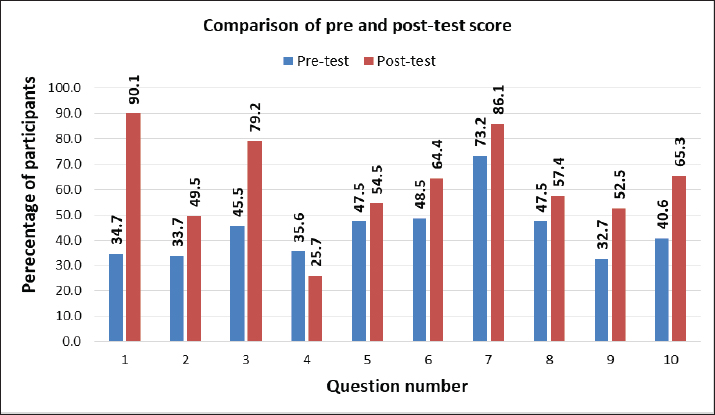
Fig. 1. Volume–osmolarity diagram. The horizontal scale of 0 to 15 (in L) depicts normal extracellular fluid volume, and the horizontal scale of 0 to 25 (in L) depicts normal intracellular fluid volume. The vertical scale of 0 to 300 (in mOsm/L) indicates normal serum osmolarity. Group 2 comprised 48 students and was given the study material with specific learning objectives. In addition to the learning objectives, the study included an overview of body fluid compartments with their ionic composition and the definition of various units for measuring solute concentrations. Instead of case scenarios given to the PBL group, the study material provided information on the interpretation of changes in osmolarity and body fluid volume under different clinical conditions, without the need for brainstorming activity for the SDL group. The students were asked to explore more on the topic with the available resources and were allowed to access the internet for any references related to the topic, whereas the PBL group was not given access to the internet. After 1.5 hours of a self-studying session under supervision, the students were asked to write a report on the acquired knowledge and their learning experience with SDL session. The students were enthusiastic about learning and updating their knowledge throughout the session. The solved case scenario report and the written report submitted by the PBL and SDL groups, respectively, were collected by the mentor for further reference and were not formally assessed. In SDL, students are expected to independently identify, access, and synthesize relevant resources based on the guided handouts, whereas PBL emphasizes reasoning skills and application of existing knowledge without external materials during the session. The post-test was conducted in the form of 10 multiple-choice questions using Google Forms for both groups. The post-test comprised the same set of questions as that for the pre-test assessment, but the students were not previously aware of this. Feedback regarding the learning experience with PBL and SDL was anonymously collected from the participants of both groups using a student satisfaction survey via Google Form. The feedback form contained both closed- and open-ended questions. The entire session, including the pre-test, briefing on the volume osmolarity diagram, SDL and PBL sessions, post-test, and feedback, lasted for approximately 3.5–4 hours. Confidentiality and anonymity of the participants were maintained throughout the study and during data analysis. Statistical analysisThe pre- and post-test scores were expressed as Mean ± SD. The statistical significance between the pre-test and post-test scores was determined using the Student’s t-test. The statistical significance between pre- and post-test scores within the group was determined using a paired t-test, and between the groups was determined using an unpaired t-test. The feedback responses of the student satisfaction survey are expressed as percentages. The differences in outcomes between the two study groups were assessed using the Fisher’s exact test. p < 0.05 was considered statistically significant. A qualitative thematic analysis was conducted for the responses to the open-ended questions of the student satisfaction survey. ResultsComparison of the pre- and post-test scoresThere were 10 questions for the pre- and post-test. Figure 2 shows the percentage of participants who provided correct answers to each question during the pre-test (43.94 ± 12) and post-test (62.47 ± 19.21). There was a statistically significant difference between the percentage of participants who got correct answers in the pre- and post-test (paired t-test, p=0.008).
Fig. 2. Percentage of participants who got correct answers to each question during pre-test (43.94 ± 12, n=101) and post-test (62.47 ± 19.21, n=101), p=0.008.
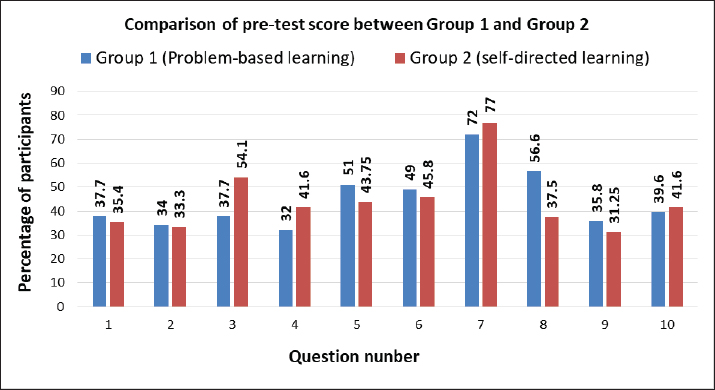
Fig. 3. Percentage of participants who got correct answers for each question during the pretest in group 1 (44.54 ± 12.58, n=53) and group 2 (44.13 ± 13.33, n=48), p=0.94.
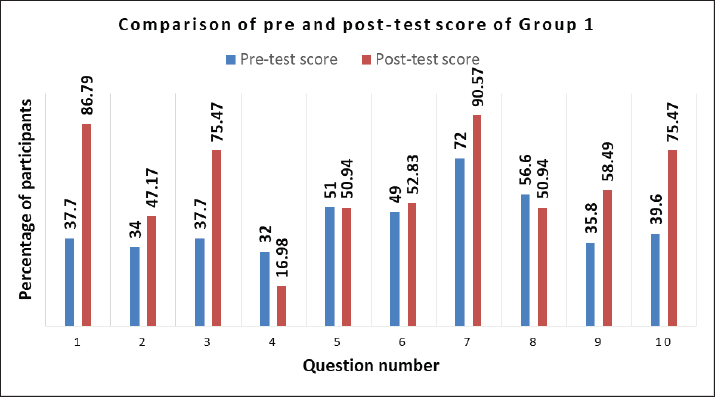
Fig. 4. Percentage of participants who got correct answers for each question during the pre-test (44.54 ± 12.58, n=53) and post-test (60.57 ± 22.01, n=48) in group 1, p=0.04.
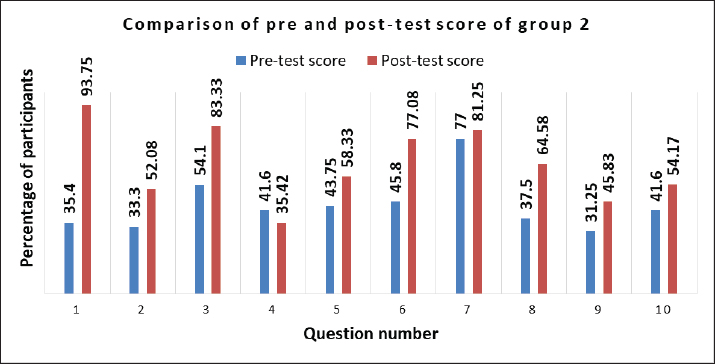
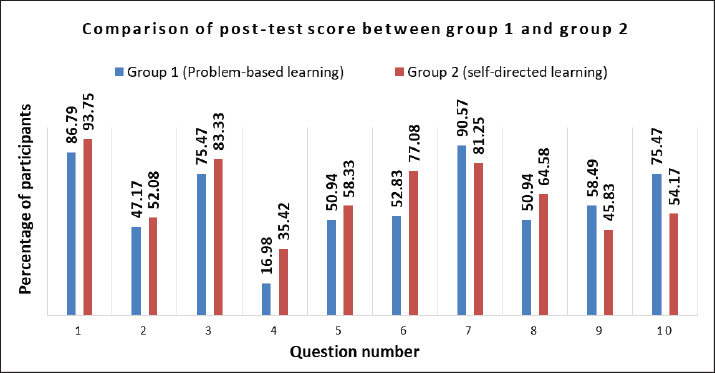
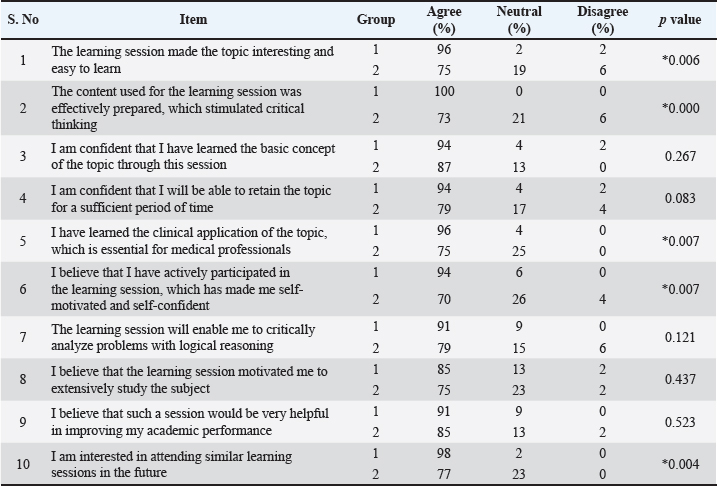
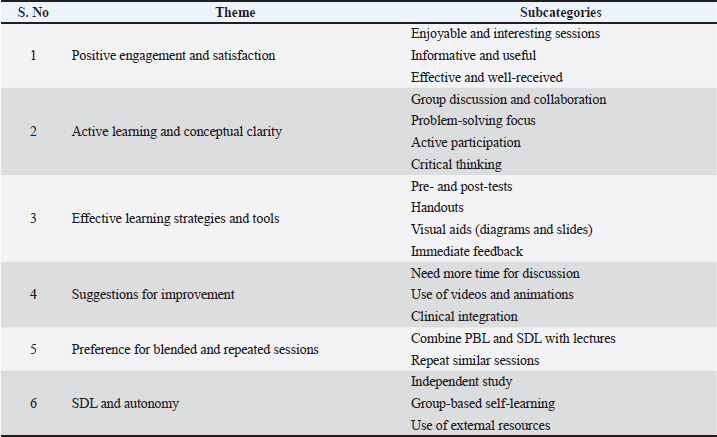
Fig. 5. Percentage of participants who got correct answers for each question during the pre-test (44.13 ± 13.33, n=53) and post-test (64.58 ± 18.69, n=48) in group 2, p=0.01. Comparison of pre-test scores between Groups 1 and 2The performance of students in groups 1 and 2 in the pre-test was analyzed to observe any significant differences in their pretest scores. Fig. 3 shows the percentage of participants who got correct answers for each question during the pre-test in group 1 (44.54 ± 12.58) and in group 2 (44.13 ± 13.33). No statistically significant difference was found between the percentage of participants in groups 1 and 2 who got correct answers in the pretest scores (unpaired t-test, p=0.94). Comparison between pre- and post-test scores in Groups 1 and 2Figure 4 shows the percentage of participants who got correct answers to each question during pre-test (44.54 ± 12.58) and post-test (60.57 ± 22.01) in group 1. There was a statistically significant difference between the percentage of participants who got correct answers in the pre- and post-tests in group 1 (paired t-test, p=0.04). Fig. 5 shows the percentage of participants who got correct answers to each question during the pre-test (44.13 ± 13.33) and post-test (64.58 ± 18.69) in group 2. A statistically significant difference was found between the percentage of participants who got correct answers in the pre- and post-test in group 2 (paired t-test, p=0.01). Comparison of post-test scores between Groups 1 and 2Fig. 6 shows the percentage of participants who got correct answers in the post-test in groups 1 (60.57 ± 22) and group 2 (64.58 ± 18.69). There was no statistically significant difference in the percentage of participants who got correct answers in the post-test between groups 1 and 2 (unpaired t-test, p=0.66) Analysis of the participant’s feedback formThe overall response rate to the online feedback and student satisfaction survey is 93%. The participant’s feedback form contained 10 items, which were rated on a five-point Likert scale (Table 1). The items were framed to assess critique regarding the organization of the session, the learning process that occurred during the session, and the subjective level of active participation and motivation acquired by the participants. The five ratings on the Likert scale were as follows: strongly agree, agree, neutral, disagree, and strongly disagree. The number of students who responded with “Agree” and “Strongly agree” was pooled for statistical analysis. Likewise, “Disagree” and “Strongly disagree” were pooled. Table 1 shows the feedback responses for each item separately by groups 1 and 2, expressed as a percentage, with the statistical significance of differences in outcomes between the two study groups. A significant difference was found between group 1 and group 2 students with regards to items like interesting learning session (p=0.006), effective content which stimulated critical thinking (p=0.000), learned the clinical application of topic (p=0.007), active participation (p=0.007), and interest in attending similar sessions in the future (p=0.004), where the majority of the group 1 students positively agreed to these components of the feedback questionnaire, compared to group 2. There was no statistically significant difference between groups 1 and 2 regarding having learned the basic concept of the topic (p=0.267), retaining the topic in memory for a sufficient period of time (p=0.083), critical analysis of problems with logical reasoning (p=0.121), motivation to extensively study the subject (p=0.437), and helpfulness of the session in improving academic performance (p=0.523). This shows that both groups of students had equally learned the basic concepts regarding volume–osmolarity diagram, with logical reasoning ability, and felt motivated and agreed that similar sessions would be useful in improving their academic performance. A total of 94 open-ended responses were analyzed using the six-phase framework for thematic analysis described by Braun and Clarke (2006). After careful analysis of the responses, themes were generated, reviewed, and refined, providing useful insights into the students’ perceptions of PBL and SDL as active learning strategies. Six major themes emerged from the data, reflecting both positive experiences and areas for enhancement in PBL and SDL sessions. Table 2 shows the thematic analysis of responses to the open-ended questions of the student satisfaction survey. DiscussionAlthough medical education is facing many transitions in its curriculum, traditional conventional lectures are still widely practiced. In conventional lectures, students are passively exposed to the study content and are less likely to participate actively. Hence, alternative learning approaches, such as PBL and SDL, are gaining importance because they encourage students to experience independent learning and enable them to acquire problem-solving ability (Trullàs et al., 2022).
Fig. 6. Percentage of participants who got correct answers for each question during the post-test in group 1 (60.57 ± 22, n=53) and group 2 (64.58 ± 18.69, n=48), p=0.66. Table 1. Student satisfaction survey and feedback form analysis. The feedback responses were expressed as percentages. Differences in outcomes between the two study groups were assessed using the Fisher’s exact test [*p < 0.05, Group 1 (n=47): problem-based learning, Group 2 (n=47): self-directed learning].
Table 2. Thematic analysis of student feedback following implementation of problem-based and self-directed learning strategies.
A literature search reveals that many studies comparing didactic lectures with other alternative methods of learning have concluded with variable results. Some studies have concluded that SDL groups perform better than traditional large group lectures (Lake, 2001; Abraham et al., 2005). A systematic review and meta-analysis conducted by Aulakh et al. (2025) comparing SDL versus traditional didactic learning in undergraduate medical education, concluded that SDL is an effective tool in improving academic performance and learner engagement, leading to a deeper understanding of concepts and retention of information. Some studies have found that active learning is equivalent to traditional lectures or has no additional benefit (Haidet et al., 2004; Pai et al., 2014). When Chilwant compared structured interactive lectures with conventional lectures in two groups of second-year medical students, though the performance showed no significant improvement in MCQ marks, the interactive group enjoyed being actively involved in the lecture, which increased their engagement, attention during the lecture, and stimulated their critical thinking (Chilwant, 2012). With this background, our study focuses on both the subjective and objective analysis of the student’s perspective of learning a core concept in physiology by means of two different forms of non-conventional teaching-learning methods, i.e., PBL and SDL, which have recently been included in the medical education curriculum. The above-mentioned results show that, following PBL and SDL, the post-test score (62.47 ± 19.21) significantly improved compared with the pre-test score (43.94 ± 12), p value=0.008). A study conducted by Azer et al. (2013) also showed a significant increase in the post-test score compared to the pretest score for two different topics (12.68 ± 2.03 vs. 6.58 ± 3.39 and 13.02 ± 2.03 vs. 7.43 ± 2.68, respectively) and satisfactory performance of students at the end of block examinations following integrated laboratory classes in the PBL curriculum. The study also emphasized the importance of PBL in both short- and long-term memory retention (Azer et al., 2013). Hill et al. (2020) and Patra et al. (2020) reiterated SDL as a valuable teaching experience for students that boosts their confidence and motivation. When the pre-test scores were analyzed retrospectively between groups 1 and 2, no statistically significant differences in pre-test scores were observed between groups 1 and 2 (p=0.94, Fig. 3). This shows that the students in both groups had a similar understanding of the subject at the outset. Furthermore, after the PBL and SDL sessions, the scores of the pre- and post-tests in groups 1 and 2 significantly improved in both group 1 (p=0.04, Fig. 4) and in group 2 (p=0.01, Fig. 5), indicating that both the teaching-learning methodology had a measurable immediate impact on students’ understanding of the concepts and applied facts, with group 2 showing a comparatively greater improvement than group 1. When the post-test score between group 1 (60.57 ± 22) and group 2 (64.58 ± 18.69) was compared to see the effectiveness of one method of alternative learning over the other, although the mean score was higher in group 2 than in group 1, there was no statistically significant difference in the post-test score between the two groups (p=0.66, Fig. 6). This finding is consistent with the results reported by Atta and Alghamdi (2018), who compared SDL and PBL in both ophthalmology and ENT courses. In their study, although a statistically significant difference was observed between SDL in ophthalmology and PBL in ENT (p=0.03724), no significant difference was found between SDL in ENT and PBL in ophthalmology (p=0.3340) (Atta and Alghamdi, 2018). The authors designed the pre/post-test questions to assess multiple stages of learning as per Bloom’s Taxonomy. Five out of the ten questions in the pre- and post-tests were framed to assess the retention of factual information, while the remaining questions were designed to test the students’ critical thinking ability. Analysis of the post-test scores of memory-based and problem-based questions showed that the post-test score was greater in group 2 (64.58 ± 23.7) for memory-based questions than in group 1 (55.47 ± 27), although the difference was not statistically significant. For the problem-based questions, the post-test scores were similar between groups 1 (65.66 ± 17) and group 2 (64.58 ± 15). These findings show that students in the SDL group actively engaged with the material beyond the provided handouts and were able to perform on problem-based questions comparable to the PBL group. According to Bloom’s Taxonomy, memory-based questions reflect lower-order cognitive skills (remember/understand), whereas problem-based questions assess higher-order skills (apply/analyze/evaluate). The SDL group demonstrated competence in both lower- and higher-order tasks. From the above results, more than outweighing the effectiveness of one method over the other, it is compelling to infer that PBL and SDL go hand in hand, and one fosters the other. Both teaching and learning methods enable students to increase their confidence in their problem-solving abilities and provide the opportunity to develop deeper learning strategies, which is very important for self-development and to become a life-long learner (Loyens et al., 2008; Elderson-Van Duin et al., 2023). The topic of “Osmolarity and Body Fluids” is traditionally taught through didactic lectures. The novelty of this study lies in the approach used for the PBL group, who explored the concept using a volume–osmolarity diagram and applied it to various case scenarios. In contrast, students in the SDL group learned the topic through the study materials provided. Both methods enabled students to understand the physiological significance of the subject and its clinical applications. The unequal access to resources between the SDL and PBL groups reflects the intentional differences between the two learning approaches. In SDL, students are expected to independently identify, access, and synthesize relevant resources using guided handouts. PBL, on the other hand, emphasizes reasoning and application of existing knowledge without relying on external materials during the session. In addition, the PBL group engaged in collaborative learning through active team discussions. Students from the PBL group found the volume–osmolarity diagram to be a very interesting tool for learning the effect of changes in plasma osmolarity on the volume of extracellular and intracellular fluids. During the start of the engaging session, the PBL students raised some queries on the usage of the volume–osmolarity diagram, which was clarified by the mentors. When the students were able to appreciate the idea and utility of the volume–osmolarity diagram, they found it to be a very efficient tool in understanding the concept of osmolarity and its effect on body fluid homeostasis and were able to effectively apply it in various case scenarios. During the thought-provoking discussion that followed, the students presented their understanding of the changes in volume and osmolarity in various body fluid disorders. For the students belonging to the SDL group, various altered homeostatic conditions were presented as information in the study material. Interestingly, some students from the SDL group were able to analyze and apply the volume–osmolarity diagram to these disorders, although they were not specifically asked to do this exercise. It was evident in the report submitted by some of the students at the end of the SDL session that they had critically analyzed and understood the pathological states using the volume–osmolarity diagram. This shows that the SDL session motivated the students to make additional effort to gain information and improve their knowledge with the available resources. Through SDL, the students were able to acquire knowledge and present their learning outcomes in a broader perspective. When the first five out of ten memory-based questions were keenly analyzed, the post-test score was always higher in group 2 than in group 1. For the next five questions, which are application-oriented, although the problems were not discussed in Group 2, the post-test scores of certain questions were grossly higher in Group 2 than in Group 1 (Figs. 4 and 5). This shows that SDL can be recommended as an effective form of adult learning, provided the necessary study resources and appropriate learning duration. A review article by Loeng reiterated the importance of SDL in adult education and claimed it to be one of the essential tools to acquire the promotion of life-long learning, which is one of the professional qualities expected from an Indian Medical Graduate (Supe, 2019; Loeng, 2020). With reference to the student satisfaction survey and feedback form (Table 1), the PBL group found the sessions more interesting and felt they were able to actively participate in the learning sessions. Furthermore, the PBL group felt that they had learned the clinical application of the topic and were more interested in attending similar sessions than the SDL group. Interestingly, 100% of the PBL group agreed that the content used for the learning session was prepared effectively, which stimulated critical thinking, compared to 73% in the SDL group (p=0.000). This shows that when the learning content was presented to the students in the form of engaging activities with clinical case scenarios, they were confident of having learned the clinical application of the concept and may show interest in developing in-depth knowledge of the subject. Ghani et al. (2021) emphasized that PBL learning enhances students’ critical thinking ability, communication and collaborative skills, and problem-solving capacity in preparation for a professional career. In addition to these abilities, students found these sessions to be more interesting and were confident of having learned the clinical application of the concept. The majority of PBL group students (94%) agreed that they are confident of retaining the topic in memory for a sufficient period of time, compared to 79% in the SDL group. However, there was no statistically significant difference when the level of confidence of having learnt the topic and being able to retain the topic for a sufficient period of time was compared between the PBL and SDL groups (p=0.267 and p=0.083, respectively). Of note, 91% of PBL group students agreed that such a learning session would enable them to analyze problems critically, with logical reasoning, compared to 79% of SDL group (p=0.121). 85% of the PBL students believed that the learning session motivated them to extensively study the subject, compared to 75% of the SDL group (p=0.437), and 91% of the PBL group students believed that such a session would be very helpful in improving their academic performance, compared to 85% of the SDL group (p=0.523). Although a statistically significant difference was not found for these items in the feedback questionnaire, a more favorable outcome for these items was observed in the PBL group. Thematic analysis of the responses to the open-ended questions revealed six major themes: positive engagement and satisfaction, active learning and conceptual clarity, effective learning strategies and tools, suggestions for improvement, preference for blended and repeated sessions, SDL, and autonomy (Table 2). This clearly shows the positive perspective of students toward the unconventional teaching methods and the expectation that more topics will be taught through similar methods. Students valued the autonomy provided by the SDL and appreciated the opportunity to explore information independently. Few students felt that animations and videos could be added to the sessions to make them more effective, and few expected more discussions and interactions following the sessions, which may be limited by the time constraint. The findings of the thematic analysis revealed that students perceived PBL and SDL sessions as engaging, effective, and conducive to conceptual learning. Incorporating such interactive and autonomous learning strategies within medical curricula can significantly enhance student satisfaction and promote higher-order learning outcomes. ConclusionThe study reveals that the medical students showed considerable interest in learning through unconventional teaching methods such as SDL and PBL. These approaches appeared to enhance self-confidence, critical thinking, and reasoning skills and may motivate students to engage in lifelong learning. Post-test scores improved in both PBL and SDL sessions compared with pre-test scores, with both methods demonstrating comparable effectiveness. The analysis of subjective feedback indicated that the PBL group tended to report more favorable outcomes for all items in the feedback questionnaire, with some differences reaching statistical significance when compared with the SDL group. It is recommended that both SDL and PBL should be performed for a wider range of topics, although limitations such as feasibility and time constraints exist, so that their impact on medical education can be better studied and ascertained. AcknowledgmentsNone. Conflict of interestThere are no conflicts of interest for this research work. FundingNo funding has been received from any organization or individual for this research. Authors’ contributionAll authors contributed to the study design, data analysis, and manuscript preparation. Data availabilityThe data supporting the findings of this study are available from the corresponding author upon reasonable request. ReferencesAbraham, R.R., Upadhya, S. and Ramnarayan, K. 2005. Self-directed learning. Adv. Physiol. Educ. 29(2), 135–136; doi:10.1152/advan.00008.2005 Alaagib, N.A., Musa, O.A. and Saeed, A.M. 2019. Comparison of the effectiveness of lectures based on problems and traditional lectures in physiology teaching in Sudan. BMC Med. Educ. 19(1), 365; doi:10.1186/s12909-019-1799-0 Asad, M., Iqbal, K. and Sabir, M. 2015. Effectiveness of problem based learning as a strategy to foster problem solving and critical reasoning skills among medical students. J. Ayub Med. Coll. Abbottabad. JAMC. 27(3), 604–607. Atta, I. and Alghamdi, A. 2018. The efficacy of self-directed learning versus problem-based learning for teaching and learning ophthalmology: a comparative study. Adv. Med. Educ. Pract. 9, 623–630; doi:10.2147/AMEP.S171328 Aulakh, J., Wahab, H., Richards, C., Bidaisee, S. and Ramdass, P.V.A.K. 2025. Self-directed learning versus traditional didactic learning in undergraduate medical education: a systemic review and meta-analysis. BMC. Med. Educ. 25(1), 70. Azer, S.A., Hasanato, R., Al-Nassar, S., Somily, A. and Alsaadi, M.M. 2013. Introducing integrated laboratory classes in a PBL curriculum: impact on student’s learning and satisfaction. BMC. Med. Educ. 13(1), 71. Braun, V. and Clarke, V. 2006. Using thematic analysis in psychology. Qual. Res. Psychol. 3(2), 77–101. Charokar, K. and Dulloo, P. 2022. Self-directed learning theory to practice: a footstep towards the path of being a life-long learner. Adv. Med. Educ. Prof. 10(3), 135–144. Chilwant, K. 2012. Comparison of two teaching methods, structured interactive lectures and conventional lectures. Biomed. Res. 23, 363–366. Darrow, D.C. and Yannet, H. 1935. The changes in the distribution of body water accompanying increase and decrease in extracellular electrolyte. J. Clin. Invest. 14(2), 266–275; doi:10.1172/JCI100674 Elderson-van Duin, C., Renkema, P.J. and Tabbers, H.K. 2023. Promoting self-directed learning skills in a first-year problem-based university program with a self-development intervention. Reflective. Pract. 24(6), 749–765. Faria, D.K., Mendes, M.E. and Sumita, N.M. 2017. The measurement of serum osmolality and its application to clinical practice and laboratory: literature review. Jornal. Brasileiro. De. Patologia. E. Medicina. Laboratorial. 53, 8; doi: 10.5935/1676-2444.20170008 Ghani, A.S.A., Rahim, A.F.A., Yusoff, M.S.B. and Hadie, S.N.H. 2021. Effective learning behavior in problem-based learning: a scoping review. Med. Sci. Educator 31(3), 1199–1211; doi:10.1007/s40670-021-01292-0 Grabinger, S. and Dunlap, J.C. 2002. Problem-based learning as an example of active learning and student engagement. In Advances in information systems. Ed., Yakhno. Berlin, Germany: Springer, pp: 375–384. https://doi.org/ 10.1007/3-540-36077-8_39 Haidet, P., Morgan, R.O., O’Malley, K., Moran, B.J. and Richards, B.F. 2004. A controlled trial of active versus passive learning strategies in a large group setting. Adv. Health Sci. Educ. Theory Pract. 9(1), 15–27; doi:10.1023/B:AHSE.0000012213.62043.45 Hill, M., Peters, M., Salvaggio, M., Vinnedge, J. and Darden, A. 2020. Implementation and evaluation of a self-directed learning activity for first-year medical students. Med. Educ. Online. 25(1), 1717780; doi:10.1080/10872981.2020.1717780 Jeon, J. and Park, S. 2021. Self-directed learning versus problem-based learning in Korean nurse education: a quasi-experimental study. Healthcare 9(12), 1763; doi:10.3390/healthcare9121763 Kundra, P., Kurdi, M., Mehrotra, S., Jahan, N., S, K. and Vadhanan, P. 2022. Newer teaching-learning methods and assessment modules in anaesthesia education. Indian J. Anaesthesia 66, 47–57. Lake, D.A. 2001. Student performance and perceptions of a lecture-based course compared with the same course utilizing group discussion. Phys. Therapy 81(3), 896–902. Loeng, S. 2020. Self-directed learning: a core concept in adult education. Educ. Res. Int. 2020(1), 3816132. Loyens, S.M.M., Magda, J. and Rikers, R.M.J.P. 2008. Self-directed learning in problem-based learning and its relationships with self-regulated learning. Educ. Psychol. Rev. 20(4), 411–427; doi:10.1007/s10648-008-9082-7 Metz, C. J. and Metz, M. J. n.d. An online module to understand body fluid status in clinical cases. MedEdPORTAL 14, 10719. doi: 10.15766/mep_2374-8265.10719 National Medical Commission. Competency-based medical education guidelines 2024 [Internet]. Available via https://medicaldialogues.in/pdf_upload/cbme-guidelines-2024-250434.pdf (Accessed 25 September 2024). Pai, K., Rao, K.R., Punja, D. and Kamath, A. 2014. The effectiveness of self-directed learning (SDL) for teaching physiology to first-year medical students. Australas. Med. J. 7(11), 448–453; doi:10.4066/AMJ.2014.2211 Patra, S., Khan, A., Upadhyay, M., Sharma, R., Rajoura, O. and Bhasin, S. 2020. Module to facilitate self-directed learning among medical undergraduates: development and implementation. J. Educ. Health Promotion 9(1), 231; doi:10.4103/jehp.jehp_125_20 Premkumar, K., Vinod, E., Sathishkumar, S., Pulimood, A.B., Umaefulam, V., Prasanna Samuel, P. and John, T.A. 2018. Self-directed learning readiness of Indian medical students: a mixed method study. BMC. Med. Educ. 18(1), 134; doi:10.1186/s12909-018-1244-9 Shamsuddin, F., Ilias, L.M. and Sreedharan, S. 2017. A comparison of didactic lectures to self-directed learning in medical education. J. Evid. Based. Med. Healthc. 4(3), 110–114. Supe, A. 2019. Graduate Medical Education Regulations 2019: competency-driven contextual curriculum. Natl Med J India. 32, 257. Trullàs, J.C., Blay, C., Sarri, E. and Pujol, R. 2022. Effectiveness of problem-based learning methodology in undergraduate medical education: a scoping review. BMC. Med. Educ. 22(1), 104. Verma, A., Patyal, A., Meena, J.K., Mathur, M. and Mathur, N. 2021. Interactive teaching in medical education: experiences and barriers. Adesh Univ. J. Med. Sci. Res. 3(2), 69–73; doi:10.25259/AUJMSR_13_2021 | ||
| How to Cite this Article |
| Pubmed Style Sundararaj BB, Saravanakumar S. Comparative effectiveness of problem-based and self-directed learning in teaching osmolarity concepts among undergraduate medical students. Natl J Physiol Pharm Pharmacol. 2026; 16(1): 18-29. doi:10.5455/NJPPP.2026.v16.i1.4 Web Style Sundararaj BB, Saravanakumar S. Comparative effectiveness of problem-based and self-directed learning in teaching osmolarity concepts among undergraduate medical students. https://www.njppp.com/?mno=282222 [Access: June 26, 2026]. doi:10.5455/NJPPP.2026.v16.i1.4 AMA (American Medical Association) Style Sundararaj BB, Saravanakumar S. Comparative effectiveness of problem-based and self-directed learning in teaching osmolarity concepts among undergraduate medical students. Natl J Physiol Pharm Pharmacol. 2026; 16(1): 18-29. doi:10.5455/NJPPP.2026.v16.i1.4 Vancouver/ICMJE Style Sundararaj BB, Saravanakumar S. Comparative effectiveness of problem-based and self-directed learning in teaching osmolarity concepts among undergraduate medical students. Natl J Physiol Pharm Pharmacol. (2026), [cited June 26, 2026]; 16(1): 18-29. doi:10.5455/NJPPP.2026.v16.i1.4 Harvard Style Sundararaj, B. B. & Saravanakumar, . S. (2026) Comparative effectiveness of problem-based and self-directed learning in teaching osmolarity concepts among undergraduate medical students. Natl J Physiol Pharm Pharmacol, 16 (1), 18-29. doi:10.5455/NJPPP.2026.v16.i1.4 Turabian Style Sundararaj, Bhavithra Bharathi, and Snekalatha Saravanakumar. 2026. Comparative effectiveness of problem-based and self-directed learning in teaching osmolarity concepts among undergraduate medical students. National Journal of Physiology, Pharmacy and Pharmacology, 16 (1), 18-29. doi:10.5455/NJPPP.2026.v16.i1.4 Chicago Style Sundararaj, Bhavithra Bharathi, and Snekalatha Saravanakumar. "Comparative effectiveness of problem-based and self-directed learning in teaching osmolarity concepts among undergraduate medical students." National Journal of Physiology, Pharmacy and Pharmacology 16 (2026), 18-29. doi:10.5455/NJPPP.2026.v16.i1.4 MLA (The Modern Language Association) Style Sundararaj, Bhavithra Bharathi, and Snekalatha Saravanakumar. "Comparative effectiveness of problem-based and self-directed learning in teaching osmolarity concepts among undergraduate medical students." National Journal of Physiology, Pharmacy and Pharmacology 16.1 (2026), 18-29. Print. doi:10.5455/NJPPP.2026.v16.i1.4 APA (American Psychological Association) Style Sundararaj, B. B. & Saravanakumar, . S. (2026) Comparative effectiveness of problem-based and self-directed learning in teaching osmolarity concepts among undergraduate medical students. National Journal of Physiology, Pharmacy and Pharmacology, 16 (1), 18-29. doi:10.5455/NJPPP.2026.v16.i1.4 |