



| Original Research | ||
Natl. J. Physiol. Pharm. Pharmacol. (2026), Vol. 16(1): 13-17 Original Research Inpatient mortality resulting from dermatological diseases at a tertiary care center in North India: A record-based observational studySumir Kumar and Harmandeep Kaur*Department of Dermatology, Leprology & Venereology, Guru Gobind Singh Medical College & Hospital, Faridkot, India *Corresponding Author: Harmandeep Kaur. Department of Dermatology, Leprology & Venereology, Guru Gobind Singh Medical College & Hospital, Faridkot, India. Email: kaurharmandeep286 [at] gmail.com Submitted: 24/07/2025 Revised: 28/12/2025 Accepted: 19/01/2026 Published: 05/02/2026 © 2025 National Journal of Physiology, Pharmacy and Pharmacology
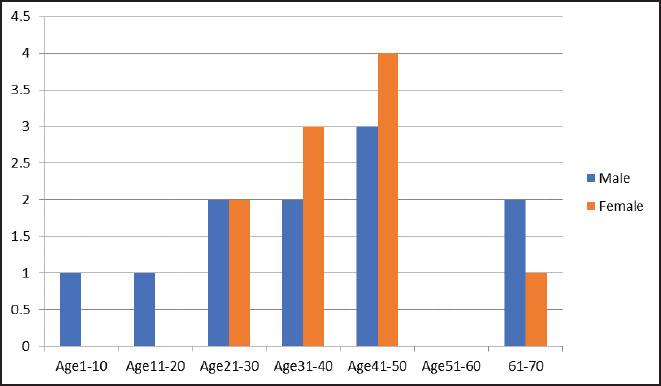
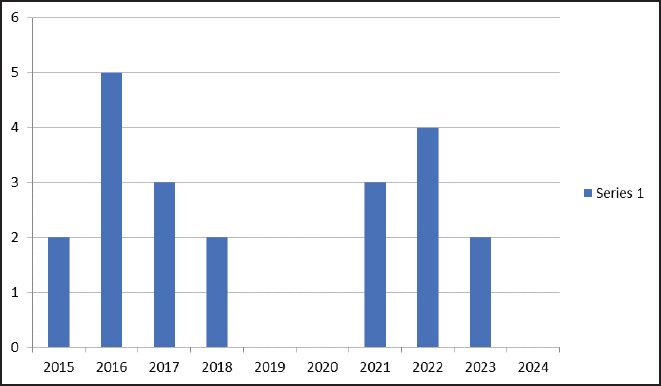
ABSTRACTBackground: The cause of mortality is a very crucial point for making decisions related to health infrastructure. There is, however, a relative lack of mortality data concerning patients with dermatologic conditions. Aim: The aim of the study is to evaluate inpatient mortality associated with dermatological diseases at a tertiary care center Materials and Methods: A record-based retrospective descriptive analysis of all patients admitted to the Department of Dermatology, Venerology, & Leprology, GGSMCH, Faridkot, from January 01, 2015, to February 20, 2024, was done. Results: There were 21 deaths out of 1274 admissions for patients with dermatological diseases. Hence, the mortality rate was 1.64%. There were 11 (52.4%) male deaths and 10 (47.6%) female deaths. Male-to-female ratio was 1.1. The largest number of deaths (n=11,52.42%) occurred due to pemphigus vulgaris. Drug reactions were the 2nd most common cause of death (n=7, 33.3%). Among drug reactions, TEN (n=6) was the most common cause of death. Among the immediate causes of death, sepsis (30.74%) was the leading cause. Conclusion: Mortality was chiefly attributed to pemphigus vulgaris, followed in frequency by drug-induced reactions. The leading immediate cause of death was sepsis. Keywords: Pemphigus Vulgaris, Sepsis, Drug reactions, TEN, Mortality. IntroductionThere is a popular perception that skin diseases are non-fatal, but various dermatological disorders can be life-threatening, leading to mortality. It is a well-known fact that some dermatological disorders, such as exfoliative dermatitis, pemphigus, and toxic epidermal necrolysis (TEN), are life-threatening, which can cause fatalities despite therapy (Nair et al., 2005). In patients with collagen vascular disorders such as SLE, mortality can be due to organ involvement (Mimouni et al., 2010; McCullough et al., 2017; Monteiro et al., 2017). Despite this, there are a paucity of data regarding overall mortality due to dermatological disorders, as most studies focus on specific diseases. We aim to assess the mortality due to dermatological disorders in a tertiary care hospital. MethodsThe study was conducted at Guru Gobind Singh Medical College & Hospital, Faridkot. We performed a record-based retrospective descriptive analysis of all patients admitted to the Department of Dermatology, Venerology, & Leprology, GGSMCH, Faridkot, from Jan 01, 2015, to February 20, 2024. Data regarding deaths were collected from the central registration office of the hospital. Statistical analysis has been done. The causes of death were known as deaths that occurred in the hospital wards; therefore, no autopsy had been performed. The data regarding the dermatological disorders, ICD codes of diseases, and treatment of the cases were taken from the inpatient case files. ResultsDemographic dataDuring the study period, a total of 1,274 patients were admitted to the dermatology department. Among them, 21 patients succumbed, resulting in a mortality rate of 1.6%. Of the deaths, 11 (52.4%) were male, and 10 (47.6%) were female, yielding a male-to-female ratio of 1.1. The average age of the deceased was 39.5 years. The youngest patient who died was 9 years old, while the oldest was 68 years old. The maximum number of mortality (n=7) occurred in the age group 41-50 years, accounting for 33% of total deaths. Figures 1 and 2 represent a histogram of the decadal age group by sex and year-wise distribution of mortality, respectively.
Figure 1. Number of deceased patients by age and sex.
Figure 2. Year-wise distribution of deaths. Clinical diagnosisAmong the patients who died, the majority (n=11,52.4%) of patients were suffering from vesiculobullous disorders, mainly pemphigus vulgaris (ICD-10=L10.0). The 2nd most common cause of death was drug reactions (n=7, 33.3%). Among drug reactions, TEN (n=6) (ICD -10=L51.2) was the leading cause of death. Drug rash with eosinophilia and systemic symptoms (DRESS) (ICD-10=D 72.12) was responsible for the death of one patient. Varicella (n=1, 4.8%) (ICD-10=B01.9) was the cause of the death in one case, which was also the youngest patient to die in the dermatology ward. Acute cutaneous lupus erythematosus (ICD-10=L93.1) and erythroderma (ICD-10=L53.9) accounted for one death each (n=1, 4.8%) (Table 1). Table 1. Dermatological Disorders leading to death.
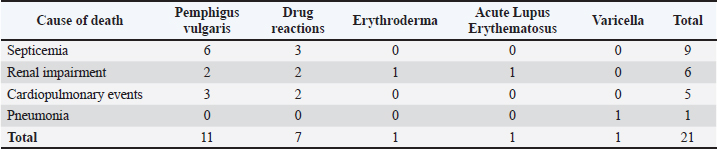
Underlying comorbiditiesA significant proportion of patients (n= 6) had underlying comorbidities, all of whom were over 40 years of age. The most common preexisting conditions included hypertension, diabetes mellitus, hyperlipidemia, bronchial asthma, and ischemic heart disease. Duration of stayPatients’ duration of stay in hospital varied between 1 day and 29 days (mean 6.9 days). Transfer of patients to the ICUAmong all inpatients, there were 15 patients transferred to the ICU. Patients who were transferred to the ICU were mostly suffering from TEN/SJS. Out of 15 patients, 10 patients were transferred back to the dermatology ward after stabilization. Among the five patients who died in the ICU, the most common cause of death was sepsis, followed by electrolyte imbalance. Immediate cause of deathSepticemia was the most common immediate cause of death, accounting for 9 cases. Blood culture was positive for methicillin resistance Staphylococcus aureus (MRSA) in 3 cases and positive for Acinetobacter baumannii in 1 case, whereas wound culture was positive for methicillin resistance Staphylococcus aureus (MRSA) in 1 case and Pseudomonas aeroginusa in 2 cases. There were 2 cases that were diagnosed clinically, and they were named as culture-negative sepsis. Among these 9 patients, 6 were admitted for pemphigus vulgaris and 3 for drug reactions. The 2nd most common cause was renal impairment, which led to death in 6 cases, including 2 patients each of Pemphigus vulgaris and drug reactions and 1 patient each of erythroderma and acute lupus erythematosus. There were 5 deaths from cardiopulmonary events (acute decompensated cardiac failure 1, myocardial infarction 2, and pulmonary embolism 2), which included 3 patients of pemphigus vulgaris and 2 drug reactions. One patient who was admitted with varicella died due to pneumonia (Table 2). Table 2. Immediate cause of death.
Duration of illness until first visit to tertiary care centerThe average time period between the onset of symptoms and 1st visit at the tertiary care center was significantly longer among patients who died (Table 3). Table 3. Delay in treatment.
DiscussionThe mortality rate of our study (1.6%) was significantly lower than that reported (8.4%) by Chowdhury et al., 2017, in India and slightly lower than that reported by Saber et al., 2023 (2.2%) in Iran and by Nair et al. 2005 (3.6%) in India. In our study, the maximum number of patients (n=7) who died belonged to the middle age group 41-50 years. This finding is different from the results obtained in other studies, which shows more mortality in the 61–70 year age group (Nair et al., 2005). This disparity can be due to various factors like delay in the initiation of treatment by a specialist. In the Indian scenario, it is commonly seen that in the early phase of sickness, patients usually seek treatment from quacks and later presents to specialist in worsened conditions, and also, the presence of predominant pre-exiting comorbidities in these patients played a significant role in mortality. Pemphigus vulgaris was the most fatal condition in our study, responsible for 52.4% of all deaths. All affected patients presented with severe oral lesions and widespread involvement of the body surface area. Four patients had skin involvement exceeding 70%, while two had more than 90% involvement. The causes of death in these cases included septicemia, extensive skin damage, cardiopulmonary complications, and electrolyte imbalance. Similar findings have been reported (51%) by Sanchez et al., 2007. Although in developed countries like France, malignant cutaneous melanoma is the leading cause of death (Journet Tolhupp et al., 2013). The 2nd most common cause of death was drug reactions, among which severe cutaneous drug reactions accounted for 33.3% of total deaths due to dermatological disorders. A study conducted by Monteiro et al. also reported a high mortality rate due to drug reactions (30%) (Monteiro et al., 2017). However, some studies have reported lower mortality rates from drug reactions compared to our findings (Saka et al., 2015; Mccullough et al., 2017; Chowdhury et al., 2017). One patient (n=1, 4.8%) died due to acute lupus erythematosus. In this patient, the immediate cause of death was acute renal failure. Previous studies have also identified renal involvement as a recognized contributor to mortality in patients with systemic lupus erythematosus (SLE) (Wallace et al., 1981). One patient (n=1, 4.8%) died due to disseminated varicella infection. Varicella pneumonia was the immediate cause of death in this patient, as reported by previous studies (Denny et al., 2018). Septicemia was the most common immediate cause of death in our study, accounting for 9 cases (42.8%), followed by renal impairment in 6 cases (28.6%) and cardiopulmonary events in 5 cases (23.8%) which is in consistence with study conducted by Saber et al., 2023 in Iran, although cutaneous malignancy was the most common primary cause of death in their study. Chowdhury et al., 2017 also reported septicemia to be the most common immediate cause of death, whereas Nair et al., 2005 in India reported cardiopulmonary complications and Journet et al. 2013 in France reported cardiovascular complications and infections to be the most common immediate cause of death. In a country like India, the requirement for a dermatological dedicated intensive care unit is commonly overlooked. Rather, all patients with acute skin failure in need of ICU care are being managed in burn units or medical intensive care units. Dermatology intensive care units (ICUs) differ from medical ICUs in that temperature is usually maintained at a higher range (around 30°C–32°C) and are also equipped with specially trained staff to handle dermatological emergencies. Dermatology patients requiring intensive care are difficult to manage in medical ICUs due to the low temperature settings and high risk of infection. Hence, a separate intensive care unit is vital for dermatology patients as reported in previous studies (Mitra et al., 2019). The primary limitations of our study were its retrospective design and relatively small sample size. Additionally, the data were obtained from the central registration office and recorded by the treating physicians during the end stages of the patients’ lives. As a result, there is a possibility of inaccuracies in determining the exact cause of death. To improve the external validity of the findings, future studies should involve a larger number of hospitals. This would provide a broader perspective on mortality patterns in dermatological disorders and the need of dermatological dedicated ICU, thus helping to validate our findings across different healthcare settings. ConclusionMost of times, mortality associated with skin diseases is underestimated. As per findings of this study, in the mortality structure of Dermatology IPD, immuno-bullous disorders like pemphigus vulgaris and severe cutaneous adverse reactions like SJS/TEN are the most lethal. Middle-aged patients having associated comorbidities along with delayed arrival at the advanced care center following initial treatments from quacks and nosocomial septicemia were identified as the main poor prognostic factors. Based upon our findings, we recommend enhancing public awareness about how timely dermatological consultations can expedite diagnosis, facilitate specific treatment, and reduce patient morbidity and mortality during hospitalization. AcknowledgmentThe authors would like to thank all the members of the research team and our central registration office for their invaluable contributions and collaborative spirit throughout this research project. FundingThis research received no specific grant from any funding agency. Author contributionsAll authors contributed to the conception and design of the study, data acquisition and interpretation, manuscript drafting, and critical revision for important intellectual content. All authors read and approved the final manuscript. Conflict of interestThe authors declare no conflicts of interest relevant to this article. Data availabilityData supporting this study are available from the central registration office of the hospital. Access to the data is subject to the approval of the appropriate authority. REFERENCESChowdhury, S., Podder, I., Saha, A. and Bandyopadhyay, D. 2017. Inpatient mortality resulting from dermatological disorders at a Tertiary Care Center in Eastern India: a record-based observational study. Indian J. Dermatol. 62(6), 626–629. Denny, J.T., Rocke, Z.M. and McRae, V.A. 2018. Varicella pneumonia: case report and review of a potentially lethal complication of a common disease. J. Investig. Med. High Impact Case Rep. 6, 1–7. Journet Tolhupp, J., Grange, F. and Bernard, P. 2013. Changes in mortality in Reims University Hospital Dermatology Department. Am. Dermatol. Venereol. 140, 916. Mccullough, M., Burg, M., Lin, E., Peng, D. and Garner, W. 2017. Steven Johnson syndrome and toxic epidermal necrolysis in a burn unit: a 15-year experience. Burns 43, 200–205. Mimouni, D., Bar, H., Gdalevich, M., Katzenelson, V. and David, M. 2010. Pemphigus, analysis of 155 patients. J. Eur. Acad. Dermatol. Venereol. 24, 947–952. Mitra, D., Chopra, A., Saraswat, N., Agarwal, R. and Kumar S. 2019. An observational study to describe the clinical pattern of dermatological Emergencies from Emergency Department and Intensive Care Unit: our experience from a Tertiary Care Hospital in Northern India. Indian Dermatol. Online J. 10(2), 144–148. Monteiro, D., Egipto, P., Barbosa, J., Horta, R., Amarante, J., Silva, P. and Silva, A. 2017. Nine years of a single referral center management of Stevens-Johnson syndrome and toxic epidermal necrolysis (Lyell’s syndrome). Cutan. Ocul. Toxicol. 36, 163–168. Nair, P., Moorthy, P. and Yogiragan, K. 2005. A study of mortality in dermatology. Indian J. Dermatol. Venereol. Leprol. 71, 23–25. Saber, M., Faghihi, G., Seyedghafouri, S.A. and Hosseini, S. 2023. Mortality and cause of death in patients with dermatologic diseases: an 11 year record based observational study. Dermatol. Sin. 41, 18–24. Saka, B., Kombaté, K., Mouhari-Toure, A., Akakpo, S., Gnassingbe, W., Tchangai-Walla, K. and Pitche, P. 2015. HIV infection and mortality in dermatology department in Lome, Togo. Med Sante Trop. 25, 446–448. Sanchez, A.T., Olivera, R.M. and de Oca Sanchez GM. 2007. Causes of mortality in a dermatology service. Dermatol. Rev. Mex. 51, 1–3. Wallace, D.J., Podell, T., Weiner, J., Klinenberg, J.R., Forouzesh, S. and Dubois, E.L. 1981. Systemic lupus erythematosus survival pattern. JAMA 245, 934–938. | ||


| How to Cite this Article |
| Pubmed Style Kumar S, Kaur H. Inpatient mortality resulting from dermatological diseases at a tertiary care center in North India: A record-based observational study. Natl J Physiol Pharm Pharmacol. 2026; 16(1): 13-17. doi:10.5455/NJPPP.2026.v16.i1.3 Web Style Kumar S, Kaur H. Inpatient mortality resulting from dermatological diseases at a tertiary care center in North India: A record-based observational study. https://www.njppp.com/?mno=273112 [Access: June 26, 2026]. doi:10.5455/NJPPP.2026.v16.i1.3 AMA (American Medical Association) Style Kumar S, Kaur H. Inpatient mortality resulting from dermatological diseases at a tertiary care center in North India: A record-based observational study. Natl J Physiol Pharm Pharmacol. 2026; 16(1): 13-17. doi:10.5455/NJPPP.2026.v16.i1.3 Vancouver/ICMJE Style Kumar S, Kaur H. Inpatient mortality resulting from dermatological diseases at a tertiary care center in North India: A record-based observational study. Natl J Physiol Pharm Pharmacol. (2026), [cited June 26, 2026]; 16(1): 13-17. doi:10.5455/NJPPP.2026.v16.i1.3 Harvard Style Kumar, S. & Kaur, . H. (2026) Inpatient mortality resulting from dermatological diseases at a tertiary care center in North India: A record-based observational study. Natl J Physiol Pharm Pharmacol, 16 (1), 13-17. doi:10.5455/NJPPP.2026.v16.i1.3 Turabian Style Kumar, Sumir, and Harmandeep Kaur. 2026. Inpatient mortality resulting from dermatological diseases at a tertiary care center in North India: A record-based observational study. National Journal of Physiology, Pharmacy and Pharmacology, 16 (1), 13-17. doi:10.5455/NJPPP.2026.v16.i1.3 Chicago Style Kumar, Sumir, and Harmandeep Kaur. "Inpatient mortality resulting from dermatological diseases at a tertiary care center in North India: A record-based observational study." National Journal of Physiology, Pharmacy and Pharmacology 16 (2026), 13-17. doi:10.5455/NJPPP.2026.v16.i1.3 MLA (The Modern Language Association) Style Kumar, Sumir, and Harmandeep Kaur. "Inpatient mortality resulting from dermatological diseases at a tertiary care center in North India: A record-based observational study." National Journal of Physiology, Pharmacy and Pharmacology 16.1 (2026), 13-17. Print. doi:10.5455/NJPPP.2026.v16.i1.3 APA (American Psychological Association) Style Kumar, S. & Kaur, . H. (2026) Inpatient mortality resulting from dermatological diseases at a tertiary care center in North India: A record-based observational study. National Journal of Physiology, Pharmacy and Pharmacology, 16 (1), 13-17. doi:10.5455/NJPPP.2026.v16.i1.3 |